Old Brompton Road movers narrow stairs and parking tips
Posted on 01/07/2026
If you are moving on or near Old Brompton Road, the real challenge is rarely the boxes. It is the awkward stairwell, the tight turn on the landing, the parking bay that seems to disappear just when you need it most. That is exactly why Old Brompton Road movers narrow stairs and parking tips matter: they help you plan a move that is calmer, safer, and far less chaotic. In a street where access can be limited and timing matters, a little preparation saves a lot of lifting, a lot of swearing, and usually a fair bit of money too.
This guide breaks down what to expect, how professional movers handle narrow stairs and parking constraints, what you can do before moving day, and where people most often get caught out. It is written for real London moving conditions, not a glossy fantasy version of them.
Quick takeaway: measure first, book parking early where possible, protect stair edges, and tell your removals team about every awkward corner before the van arrives. Simple, yes. But it is the difference between a smooth move and a long, tiring one.

Why Old Brompton Road movers narrow stairs and parking tips Matters
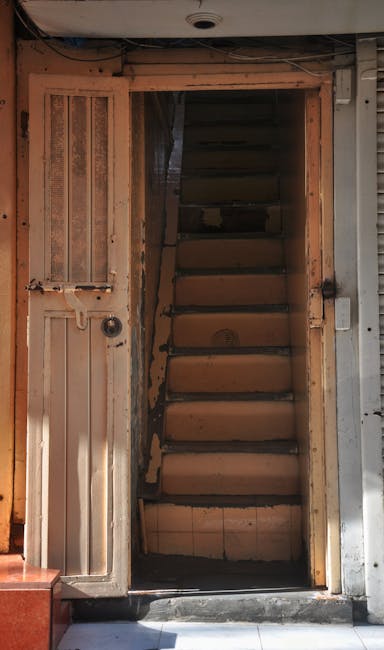
Old Brompton Road sits in one of those parts of London where moving logistics can become the main event. Buildings may have narrow staircases, sharp turns, split-level landings, basement access, or front doors that are charming until you try to get a sofa through them. Add residential parking pressures, local traffic, delivery competition, and the usual London impatience, and you have a moving day that needs a plan rather than optimism.
Why does this matter so much? Because moving is not only about transport. It is about access. A team can be excellent at packing, lifting, and loading, but if they cannot safely get a wardrobe around a corner or stop the van close enough to the property, time is lost and stress climbs quickly.
That is also why local knowledge matters. Experienced teams know how to work around the kind of access issues common in this area, especially for flat moves with tight staircases and streets where parking is not guaranteed. They will usually ask better questions before moving day, which is often the first sign you are dealing with people who understand London removals properly.
To be fair, a lot of problems are predictable. A heavy chest of drawers on a twisting staircase. A fridge that looked manageable in the hallway but not on the second floor landing. A van that arrives and has nowhere legal to stop. None of that is unusual. It just needs forethought.
How Old Brompton Road movers narrow stairs and parking tips Works
The process usually starts before the moving crew turns up. Good movers will want details: floor level, lift access, stair width, whether the entrance is shared, whether there are basement steps, and how close the van can get to the door. If you give them accurate information, they can decide on van size, crew size, lifting equipment, and timing.
For narrow stairs, the usual approach is simple but methodical:
- measure the widest part of the item and the tightest part of the staircase or turn
- remove feet, shelves, doors, or handles where possible
- wrap corners and railings to reduce damage risk
- carry bulky items with a controlled two-person lift
- use shoulder straps, trolleys, blankets, and protective covers where suitable
For parking, the challenge is more about positioning than distance. On busy streets, the van may need to stop a short walk away, so the team plans for extra carrying time. If you can reserve space, that helps. If you cannot, the crew may need to unload in stages, keep a spotter outside, or work in quick cycles to avoid delaying traffic. It sounds dry, but in real life it keeps the move moving.
When people ask whether a move on Old Brompton Road is "hard", the honest answer is: it can be, but it does not have to be. The difference lies in preparation, not heroics.
Key Benefits and Practical Advantages
Good planning for narrow stairs and parking does more than reduce hassle. It improves the whole move from start to finish.
- Less damage risk: corners, bannisters, walls, and furniture all stay in better shape.
- Faster loading and unloading: fewer surprises mean less standing around.
- Lower physical strain: moving large items through tight access is tiring work, even for professionals.
- Better scheduling: if parking and access are planned, the team can work to a realistic timetable.
- Cleaner communication: everyone knows what is happening, so there are fewer "wait, can it fit?" moments.
There is also a mental benefit people underestimate. When you know the van can park, the bed will fit, and the dining table has already been measured, the move stops feeling like a gamble. It becomes a process. That shift matters more than people think.
If you are weighing up different providers, it can also help to compare the scope of support. Some clients need full-house help, while others only need transport and loading support. The right choice often comes down to the shape of the property and the amount of heavy furniture involved. For that reason, browsing a wider overview of removal services can help you match the job to the right level of support.
Who This Is For and When It Makes Sense
This advice is useful for far more than one type of move. It is especially relevant if you are:
- moving into or out of a top-floor flat with a narrow staircase
- living in a period conversion with awkward turns or low ceilings
- removing large furniture, white goods, or fragile items
- working to a same-day deadline or a narrow key handover window
- trying to manage a move with limited parking outside the property
- sharing access with neighbours, tenants, or a busy concierge point
It also makes sense if you are doing a student move, because student possessions can be deceptively awkward. A couple of suitcases, a desk, a mattress, and a bike can become a logistics puzzle once you add stairs and limited kerb space. If that sounds familiar, student removals support in Earls Court may be the more practical route.
Households with pianos, antiques, or bulky family furniture should be even more cautious. And honestly, if you have a grand piano or upright in a narrow stairwell, you do not want guesswork anywhere near it.
Step-by-Step Guidance
Here is the most reliable way to prepare for an Old Brompton Road move when stairs and parking are both likely to be awkward.
- Survey the property access. Walk the route from street to room. Look for tight turns, low railings, split landings, and uneven steps.
- Measure the largest items. Measure height, width, and depth, and compare those dimensions with the staircase and door frames.
- Check parking options early. Identify whether the van can stop close by, whether there are restrictions, and whether a temporary suspension or loading space is possible.
- Tell the removals team everything. No detail is too boring. A "small" back staircase can be the main issue, frankly.
- Pack by priority. Keep essentials separate, then label boxes by room and fragility so unloading is orderly.
- Protect the route. Use coverings for floors, bannisters, and any known pinch points.
- Load in the right order. Heavier, awkward items should be staged carefully so the final unload is efficient.
- Build in extra time. Especially where parking may be a few doors away or access is shared.
One practical tip that saves headaches: keep a note of what cannot go up the stairs without disassembly. That way nobody is trying to decide, on the day, whether the wardrobe has to be taken apart in the hallway while the van is waiting outside and someone's neighbour needs to leave. We have all seen situations like that. Not fun.
Expert Tips for Better Results
A good move on a street like Old Brompton Road is often won in the details.
1. Measure the stairwell, not just the furniture
People often measure their sofa and stop there. But the stair width, the bend angle, the landing depth, and even the ceiling height at the turn matter just as much. A sofa that "fits" on paper can still be impossible around a corner.
2. Clear the route the night before
Loose shoes, plant pots, hallway bikes, bin bags, umbrella stands - all the little things that make a hall feel lived-in also make it harder to move a wardrobe safely. Clear them out early.
3. Have a parking backup plan
If your preferred stopping point is blocked, know the next best option. A quick backup plan can save twenty minutes of uncertainty. Not glamorous, but useful.
4. Separate fragile items from general load
Glass, mirrors, framed art, and lamps need different handling. Keep them boxed and marked clearly so they are not buried under more robust furniture.
5. Use the right service type
For a full flat move with access issues, a more complete removals package usually makes more sense than simply hiring the smallest van you can find. If the stairs are the real problem, the extra planning is worth it. If your move is lighter and you need efficient loading help, a man and van service can sometimes be the more flexible choice.
6. Keep one room "off limits"
Set aside a room or corner for essentials, paperwork, chargers, kettle items, and valuables. On arrival, this gives you a clear fallback space and prevents the entire flat from becoming a cardboard maze.
Small thing, big difference.

Common Mistakes to Avoid
Most moving problems in this kind of location come from a handful of repeat mistakes. The good news? They are mostly avoidable.
- Assuming parking will sort itself out. It often does not.
- Underestimating stair difficulty. The second floor is always more dramatic when you are carrying a bed frame.
- Booking too little manpower. Fewer people is not always cheaper once delays are counted.
- Forgetting to mention heavy or oversized items. That can change the whole plan.
- Packing everything into identical boxes. If nothing is labelled, unloading becomes a guessing game.
- Leaving disassembly for moving day. It sounds efficient until everyone is standing around with tools and nowhere to put a mattress.
Another common issue is not allowing for building access rules. Some properties have entry windows, concierge instructions, or shared corridors that need to be respected. Ignoring that can cause friction with neighbours and slow everything down. Nobody wants that on move day, least of all at 8:15 in the morning.
Tools, Resources and Recommendations
You do not need a shed full of specialist gear to make a difficult move easier, but a few tools and smart resources help a lot.
| Tool or resource | Why it helps | Best use |
|---|---|---|
| Measuring tape | Checks stairs, doors, and furniture dimensions | Before booking and before disassembly |
| Furniture blankets | Protects edges, paintwork, and bannisters | During carrying and loading |
| Straps and harnesses | Improves control over heavy items | For bulky or awkward objects |
| Labels and marker pens | Speeds up room-by-room unloading | During packing |
| Trolley or sack truck | Reduces repeated lifting where access allows | For boxes and sturdier items |
| Removal plan or floor notes | Keeps everyone aligned on access issues | Before the crew arrives |
For furniture-heavy homes, it is often worth choosing a team with specific handling experience rather than relying on a generic "van and hope" setup. You can also look at furniture removals support if the main concern is moving bulky items through tight access.
If your move is part of a bigger life transition - selling, staging, or changing property type - related guidance can help you plan the move more intelligently. For example, staging homes for sale in Earls Court and buying property in Earls Court both connect nicely with moving logistics because access and presentation often go hand in hand.
Law, Compliance, Standards, or Best Practice
For this kind of move, the most relevant issues are safety, access, and sensible parking practice. You should always follow building rules, local parking restrictions, and any instructions given by the property manager or landlord. If a vehicle cannot park legally outside the property, do not assume it is fine to improvise. That is where delays and avoidable problems start.
In practice, good movers work to standard safety habits: manual handling is done carefully, items are lifted with enough people, walkways are kept clear, and damage risk is reduced with protective materials. It is not glamorous, but it matters. If the job involves stairs, awkward angles, or very heavy furniture, the team should slow down rather than rush through.
It is also sensible to check a company's policies on safety, insurance, and customer care before moving day. Those pages tell you a lot about how seriously they take the job. A provider with clear guidance around insurance and safety and health and safety policy details usually gives you a more structured move, which is exactly what you want when access is tight.
Best practice also includes respectful communication with neighbours. If a stairwell or parking bay is shared, a quick heads-up goes a long way. London living is close-quarters living. Everyone feels it.
Options, Methods, or Comparison Table
Not every move on Old Brompton Road needs the same setup. Here is a simple comparison to help you choose the right approach.
| Method | Best for | Pros | Trade-offs |
|---|---|---|---|
| Full removals team | Large homes, heavy furniture, awkward stairs | Most support, less lifting for you | Usually more planning required |
| Man and van | Smaller moves, flexible timings, lighter loads | Efficient and adaptable | May not suit bulky furniture without help |
| Removal van only | Simple transport needs where access is easy | Useful for straightforward journeys | Limited hands for stairs and carrying |
| Same-day removals | Urgent moves or sudden key handover changes | Fast response | Less room for perfect planning |
If you are comparing options, the best choice often depends on two things: how difficult the stairs are and how predictable the parking is. If both are tricky, the more supported option is usually the safer bet. If the move is light and access is manageable, a simpler setup may be enough. In a way, that is the whole game.
For people who need speed because timing has gone sideways, same-day removals can be a practical fallback, though last-minute moves still benefit from clear access information.
Case Study or Real-World Example
Imagine a second-floor flat near Old Brompton Road with a narrow internal staircase, a curved bend at the first landing, and no dedicated parking directly outside. The move includes a double bed, a sofa, a dining table, several boxes, and a medium wardrobe that can be disassembled.
A sensible approach would look like this:
- the client sends photos of the staircase and hallway a few days before the move
- the removals team plans to disassemble the wardrobe before it is carried downstairs
- the van arrives early enough to account for a short walk from the parking spot
- protective covers are used on the staircase edges and banister contact points
- boxes are grouped by room so unloading is quicker on arrival
What tends to make the biggest difference in a case like this is not brute strength. It is sequencing. The team knows what is moving first, which item needs disassembly, where the van can sit, and how long each carry will realistically take. Suddenly the day feels manageable instead of improvised.
That is also why local route familiarity matters. A team used to Earls Court Road moving conditions will already appreciate the pace and access quirks of nearby streets. Old Brompton Road may have its own rhythm, but the lesson is similar: plan for the street you actually have, not the one you hoped for.
Practical Checklist
Use this before the removals team arrives.
- Measure all large furniture and compare it with stairs, doors, and landings
- Take clear photos of the access route, including tight turns and outside parking space
- Confirm whether any furniture must be dismantled
- Check if the van can stop legally and safely near the property
- Prepare labels for boxes by room
- Set aside valuables, documents, keys, chargers, and essentials
- Protect floors and bannisters where needed
- Notify neighbours or building management if access may be shared
- Allow extra time for carrying from the van to the door
- Share all access notes with the moving team before the day itself
Expert summary: if you do nothing else, get the measurements, the access photos, and the parking plan right. Those three things solve a surprising amount of trouble.
Conclusion
Moving on Old Brompton Road is rarely about whether you can physically lift a box. It is about whether the route, the van, the parking, and the staircase all work together at the same time. Narrow stairs and limited parking do not have to ruin the day, though. With a little planning, honest communication, and the right removals support, the whole process becomes much more predictable.
So take the measurements. Think about the parking before moving morning. Tell the team about that awkward turn on the landing. It all sounds small, but those small details are what make a move feel calm instead of frantic. And calm, in London, is worth a lot.
If you are comparing options, reviewing service scope, or preparing for a move with tight access, you can also explore removals in Earls Court and related support pages to see what level of help best fits your situation.
Get a free quote today and see how much you can save.
With the right plan, even the narrowest staircase starts to feel less like an obstacle and more like just another part of the journey.

Dedicated to sustainable removals, George is an experienced expert in the field. Over the years, he has been instrumental in guiding numerous home and business owners through the process of moving their properties.


