Earls Court removals for homes and businesses

Our Earls Court removals service helps people move belongings safely, carefully and in a way that suits the property, access and contents involved. We handle domestic moves, office relocation work and straightforward transport of furniture and household items, with a practical approach that keeps the job organised from the first discussion through to delivery. If you are planning a move in or around Earls Court, our aim is to make the process clearer and easier to manage.
We work on the basis that no two removals are identical. A top-floor flat, a compact office, a full house move or a single-item collection may all need different handling, packing and vehicle space. The right plan depends on what is being moved, how it is packed, whether fragile items need extra care and how access works at each end. Careful preparation is usually the difference between a smooth move and an awkward one.
For a move that is well matched to your requirements, it helps to explain the type of property, the size of the load and any access considerations early on. That gives us a clear basis for discussing the most suitable service and for shaping a quotation around the work involved. If you are ready to start, request a quotation and we will take it from there.
House removals planned around your property
House removals often involve a mixture of furniture, boxed possessions, personal items and goods that need to be moved in a specific order. We can organise a house move so that the load is handled logically rather than rushed, which helps protect larger items and reduces confusion on moving day. The service is suitable whether you are moving from a flat, a terrace, a maisonette or a larger family property.
Some customers want help with the entire move, while others need support mainly with transport and loading. Either way, the work benefits from sensible packing, clear labelling and a plan for items that need to be kept together. Our house removals approach is designed to support that process without overcomplicating it. If you are comparing options, clarity about the contents is usually more useful than a vague promise of speed.
Where it is useful, you can separate the move into smaller decisions: what goes first, what needs protection, what can be dismantled and what should travel upright. To keep things practical, we often recommend covering these points when you ask for a quote:
- the number and type of rooms involved
- large furniture, appliances and awkward items
- packing stage and any fragile contents
- stairs, lifts, parking or long carrying distances
Office removals with minimal disruption

Our office removals service is aimed at businesses that need furniture, filing, IT equipment and boxed contents moved with care. Office work is often less about volume and more about organisation, because items may need to remain in order so that teams can resume work efficiently. We can support straightforward office relocation projects as well as smaller workplace moves involving desks, chairs, storage and equipment.
Good office removals depend on sensible sequencing. That may mean separating essential items from those that can be moved later, protecting items with cables or delicate surfaces and making sure the right pieces are delivered to the correct rooms. We do not treat office moves as generic transport jobs; the contents and layout matter. If there are particular items that need careful handling, mention them early so the work can be planned around them.
For many businesses, the most helpful quotation is one that reflects the actual scope rather than an assumed average. If you are moving from a shared office, a private suite or a small commercial unit, it is worth setting out what needs to be moved, how much packing has already been done and whether you need support with dismantling or reassembly. Planning ahead makes the move more manageable for everyone involved.
Packing, unpacking and the details that protect your contents
Packing and unpacking can make a major difference to how a move feels on the day. Our packing and unpacking services are there to support customers who want help preparing items before transport or settling them afterwards. That might include wrapping breakables, boxing mixed household items, grouping contents by room or unpacking selected essentials at the destination. The work can be used on its own or alongside a removals booking.
Not every item needs the same treatment. Books, kitchenware, framed pieces, electronics and clothing may each need different materials or methods. Careful packing is valuable because it reduces movement inside boxes and gives better protection when items are carried, loaded and unloaded. We can discuss the level of packing support that matches your move, whether you want assistance with only the fragile pieces or with a fuller service.
Before a quotation is prepared, it helps to know whether the packing will be partial or comprehensive, whether materials are needed and whether there are items that must be kept separate. That information allows the service to be matched to the work rather than guessed. If you would like us to help with the preparation as well as the move, say so when you enquire about our removals service.
Vehicle options for different move sizes

The right vehicle matters because removals are not only about distance; they are about fit, loading order and the type of property being served. Our moving van and removal van options are suited to smaller and medium-sized loads, while larger or more complex jobs may need a different arrangement. The purpose is to match the transport to the job so that items are carried securely and efficiently.
Some customers only need a simple man and van style arrangement for a modest load, while others need a more structured removals service with extra handling and planning. We can discuss what makes sense based on the number of items, the level of packing and the access at each property. If the move includes bulky furniture, stacked boxes or several fragile pieces, it is better to choose a vehicle and loading plan that reflects that reality.
For clarity, it is often useful to think about your move in three parts: what needs moving, how it is prepared and where it is going. That makes it easier to avoid over- or under-estimating the job. If you are unsure which option fits your circumstances, ask for a quotation and we can help you identify the most suitable arrangement.
Furniture pick-up and single-item transport
Not every booking is a full household or office move. Sometimes the task is a furniture pick-up, a small collection or the transport of one or two bulky items that are awkward to move in a normal car. That might include beds, wardrobes, tables, sofas, office chairs or other items that need proper loading rather than improvisation. A focused service can be the most sensible choice for those jobs.
Furniture pick-up work still benefits from planning because the item type, dimensions and condition affect how it should be carried. Some items can be moved as they are, while others are easier to manage if they are partly dismantled or wrapped before loading. We can discuss what is involved and whether extra protection is advisable. Good handling matters just as much on a small job as on a large one.
If you are arranging a collection, it helps to note the item count, approximate size and whether help is needed at both ends. That information allows us to provide a quotation that reflects the actual move. For a straightforward collection, contact us and we will discuss the practical steps.
How we shape a removal quotation
Removal quotations are best based on useful details rather than rough assumptions. The main factors usually include the amount of furniture and boxes, the type of property, the time needed for loading and unloading, access issues and whether packing or dismantling support is required. A move with easy ground-floor access will generally be different from one involving stairs, lifts, restricted parking or multiple loading points.
We aim to keep the quotation process straightforward. A clear description of the items and the properties involved is normally enough to begin with, and photographs can be helpful when the load includes awkward furniture or a particularly full room. If you have a preferred moving date, include that as well. It is easier to prepare a realistic proposal when the basics are set out plainly from the start.
Good quotations should be transparent about the work being covered. That is why we focus on the actual removals tasks rather than offering vague estimates that do not match the job. If you would like a clearer picture of the cost factors before you commit, visit our pricing and quotes page and then send over the details you already have.
Preparing the move without overcomplicating it

Some preparation helps almost every move run more smoothly, but it does not need to become a project in itself. A sensible approach is usually enough: separate what is definitely going, keep essential items easy to identify and make sure you know which pieces need special care. That level of organisation can be enough for a simple move, especially when the load is already boxed or sorted.
It is also useful to think about access. Narrow stairways, shared entrances, lift restrictions, parking arrangements and the distance from the door to the vehicle can all affect how the work is carried out. None of that makes a move impossible, but it does help to mention it early so that the plan fits the location. If there are time limits or building rules, those should be mentioned too.
When you contact us, keep the description practical and concise: the property type, the amount to be moved and any items that need extra handling. That is usually enough for a useful first conversation. Send the details you already know and we can use them to shape the next step.
Supporting commercial and domestic customers
We provide a removals service that can work for private households, smaller businesses and customers who need a flexible transport solution rather than a one-size-fits-all package. Domestic moves often involve furniture, personal possessions and fragile household items, while commercial moves may need attention to office furniture, stock or equipment. The common thread is careful handling and an orderly plan.
Where needed, we can support moves that include a combination of services. For example, a house move may include packing assistance, furniture transport and help with larger pieces that need dismantling before they travel. Likewise, a small business move may involve staged loading so that the most important items are delivered first. The point is to build a removal plan that fits the job in front of us.
Useful related pages can help you narrow down what you need. If your move is mainly a household job, our home moves page sets out the domestic service in more detail. If you are comparing different forms of removals transport, the man and van option is worth reviewing for smaller loads and simpler bookings.
Service choices for different types of removal
Different moves call for different levels of support, and it is sensible to choose the option that matches the job rather than the one that sounds most comprehensive. Some customers only need transport and loading, while others benefit from a fuller removals package that includes packing or handling of larger items. The aim is to keep the service proportionate to the contents and the amount of work involved.
If you are not sure which route is best, compare the nature of the move against the available service pages. The removals page offers a broader view of the service, while house removals and office removals focus on the two most common move types. For customers needing a straightforward transport-focused arrangement, moving van and moving truck pages can also help clarify the vehicle-based options.
A well-chosen service should feel appropriate to the load, the access and the timing. That is why we prefer to look at the move in practical terms before discussing the quotation. If the job is smaller, simpler or highly specific, the right option may be more streamlined than you first expect.
About Earls Court
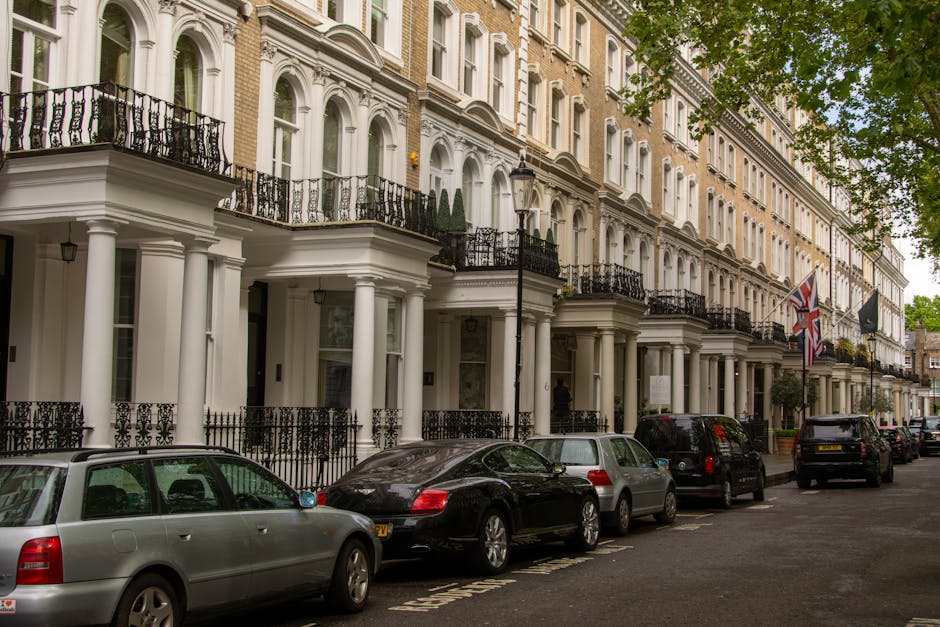
Earls Court is an area in West London that sits within the Royal Borough of Kensington and Chelsea, close to the boundary with Hammersmith and Fulham. It is known for its Victorian and Edwardian streets, mansion blocks and a dense urban layout shaped by later railway and redevelopment history. The district grew significantly in the nineteenth century as London expanded westwards, and transport links helped it become a busy residential and commercial neighbourhood. The name is also associated with the former Earls Court Exhibition Centre, which once stood as one of London’s best-known large event venues before demolition and redevelopment. Today, the area is better known for its mixed housing, local businesses and access to nearby parts of Kensington, West Brompton and West Kensington. Earls Court station on the District and Piccadilly lines remains a major transport node, giving the district a strong link to the wider Underground network. The streets around Earl’s Court Road and Old Brompton Road offer a mix of shops, cafés and everyday services, while nearby garden squares and residential terraces reflect the character of inner west London. The area’s architecture is varied, with some streets showing the classic London square pattern and others shaped by later apartment development. Although compact, Earls Court has a distinct identity because of its transport connections, residential density and position between several larger districts. It continues to be a recognisable part of central-west London rather than simply a through-route between surrounding neighbourhoods.
Final checks before you request a quote

Before you send an enquiry, it is worth taking one final look at the move as a whole. The best quotations usually come from a clear account of the property, the contents and any complications that could affect loading or delivery. If there are items you want moved first, items that need special care or anything that must remain accessible during the move, include that information from the outset. A short, accurate description is usually more useful than a long one full of uncertain detail.
You do not need to have every answer ready before getting in touch. What matters most is that the essential facts are accurate enough to shape the work properly. If your move involves a house, office or single-item collection, we can discuss the most suitable approach and explain the service in practical terms. For broader background on who we are, you may also want to read our about us page.
If you are ready to proceed, request a quotation and tell us what needs moving, where it is going and when you would like it done. For direct contact, use our contact us page and we will help you take the next step.